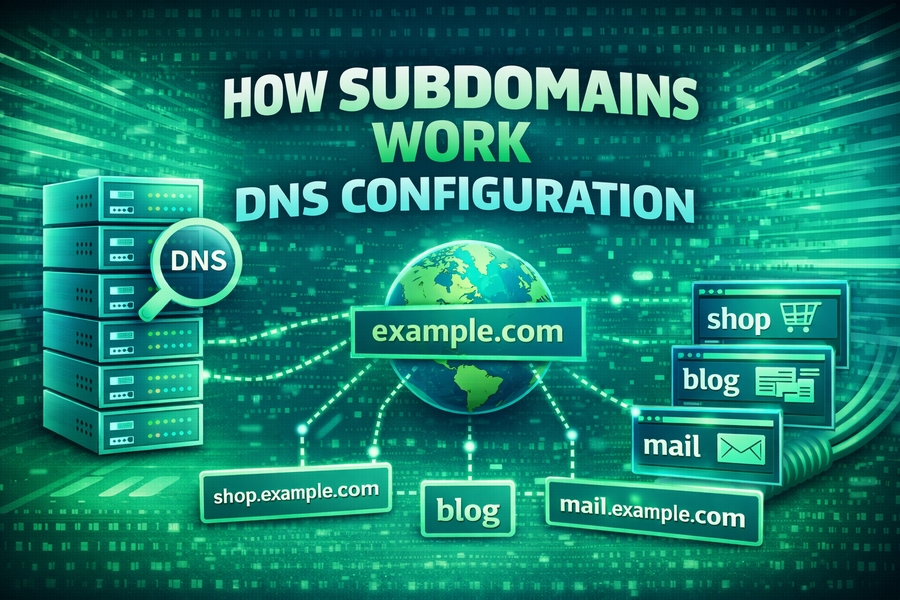
 Understanding subdomains and DNS configuration is crucial for website management. Subdomains allow website owners to create separate sections of their website, making it easier to organize content and manage resources. With the help of DNS configuration, subdomains...
 The Domain Name System (DNS) is a critical component of how the internet functions, acting as the phonebook that translates human-readable domain names (like example.com) into IP addresses that computers use to communicate. However, sometimes the DNS cache stored on...
 Have you ever tried to load a website only to be greeted by the frustrating message: “DNS server not responding”? This common error can bring your online activities to a screeching halt, whether you’re browsing for work, streaming videos, or shopping...
 The internet is a complex network of requests and responses, and at the heart of this communication lies the HTTP protocol. Among the many status codes that HTTP uses to communicate the outcome of a request, the HTTP 400 Bad Request error is one of the most common yet...
 In today’s digital landscape, where users expect lightning-fast experiences, monitoring your website performance is no longer optional—it’s essential. Whether you’re running an e-commerce store, a blog, or a corporate site, slow load times or...
 In today’s digital landscape, website downtime can be catastrophic for businesses of all sizes. Whether you’re running an e-commerce store, a corporate site, or a personal blog, ensuring your website remains accessible is crucial. Preventing website...
